- 01592 631636
- build@sipseco.co.uk
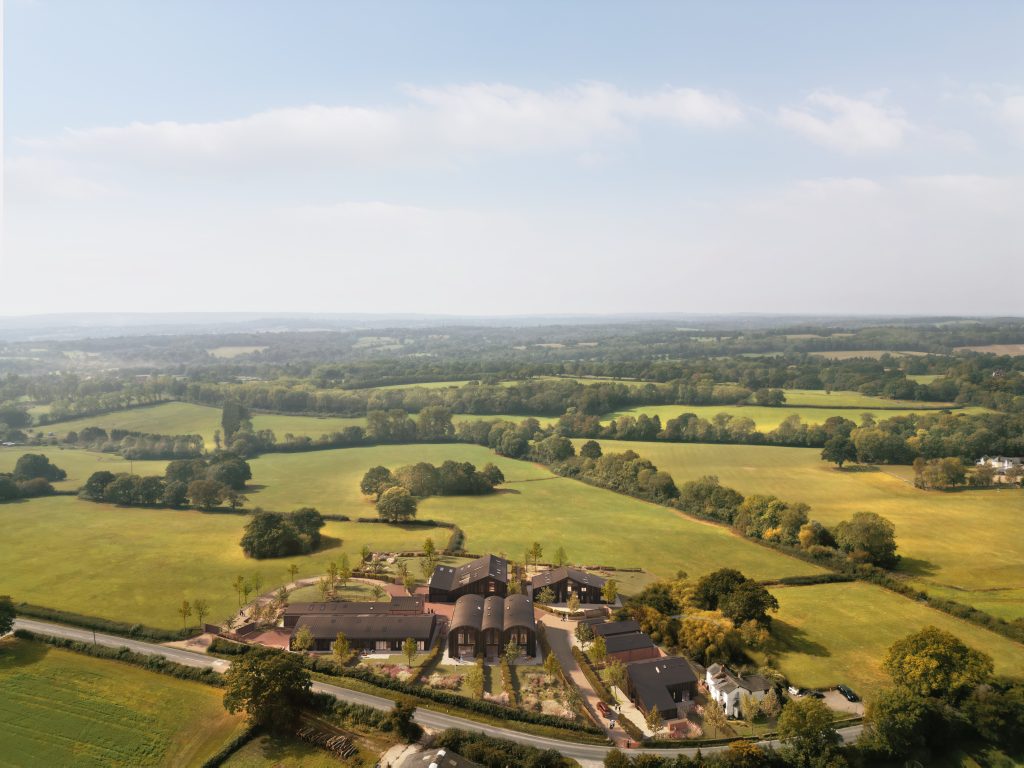
Hartdene Barns is a standout example of modern sustainable construction, where historical rural architecture meets cutting-edge offsite timber innovations.
Location: Kent
Client: Q New Homes
Architect: Nissen Richards Studio
System Used: SIPS Eco Panels
Completion: 2024
Situated in Kent, This former dairy farm was transformed into high-performance, low-carbon homes using the award-winning SIPS Eco Panel system. Delivered by Q New Homes in collaboration with Nissen Richards Studio, the project was designed and built to meet the RIBA 2030 Climate Challenge, aiming for net-zero carbon performance.
This development is 10–15 years ahead of current building practice and sets a new benchmark for the future of eco-conscious housing in the UK.
As Q New Homes explains, the decision to use SIPs was key to meeting their performance and sustainability ambitions: “The SIPs panel system has enabled us to meet high standards of energy efficiency and build quality at Hartdene Barns. It’s a method that supports faster build times while dramatically reducing operational carbon which is a natural fit for our low carbon goals.”
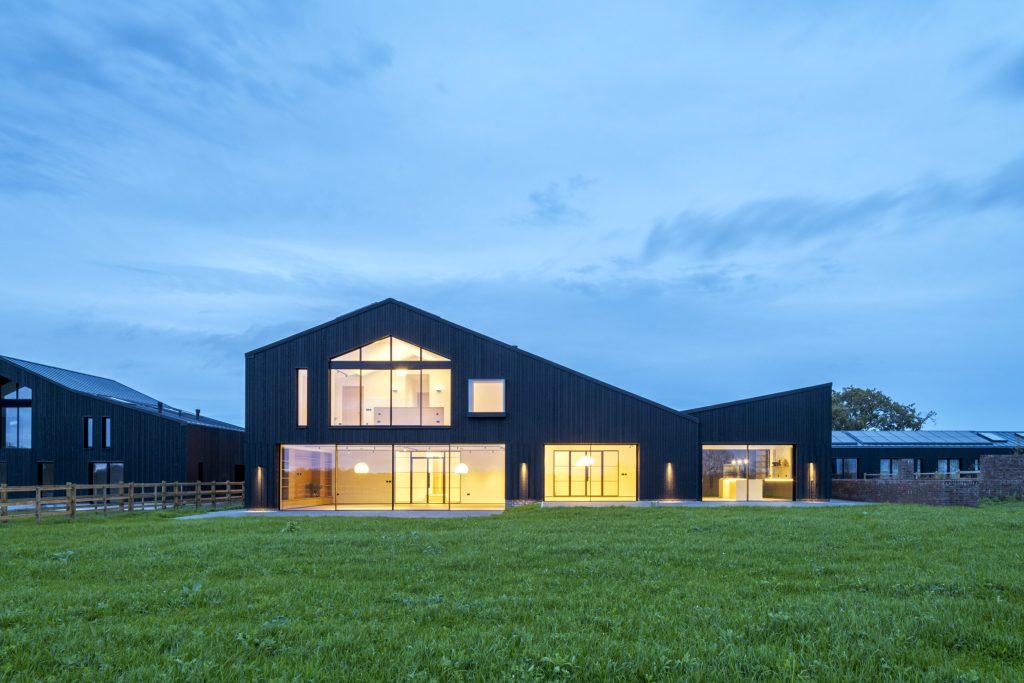
Hartdene Barns brings new life to historic agricultural buildings through a highly integrated SIP construction approach. With sustainability, speed, and quality as the core brief, the project capitalised on the structural, thermal, and environmental benefits of SIPS Eco Panels.
As both Developer and Main Contractor, Q New Homes led the design-build process from inception to delivery. Their early collaboration with the design team and panel supplier enabled a seamless transition from factory to site, allowing for fast assembly, reduced environmental impact, and high-performance standards.

SIPS Eco Panels formed the structural backbone of Hartdene Barns. By combining structure, insulation, and airtightness in a single prefabricated panel, the system eliminated the need for conventional timber framing. Each component was precision-cut offsite under strict quality controls, minimising thermal bridging and delivering industry-leading U-values as low as 0.07 W/m²K.
These technical features allowed Hartdene Barns to exceed the RIBA 2030 energy and carbon benchmarks, providing both structural integrity and low environmental impact in one streamlined solution.
Reflecting on the project’s performance-driven approach, Q New Homes emphasised that sustainability must be embedded in the construction — not treated as an afterthought: “Sustainability must be built into the fabric of a home and not just added on. With SIPs construction from SIPS Eco, we’ve delivered buildings at Hartdene Barns that perform exceptionally, both thermally and environmentally.”
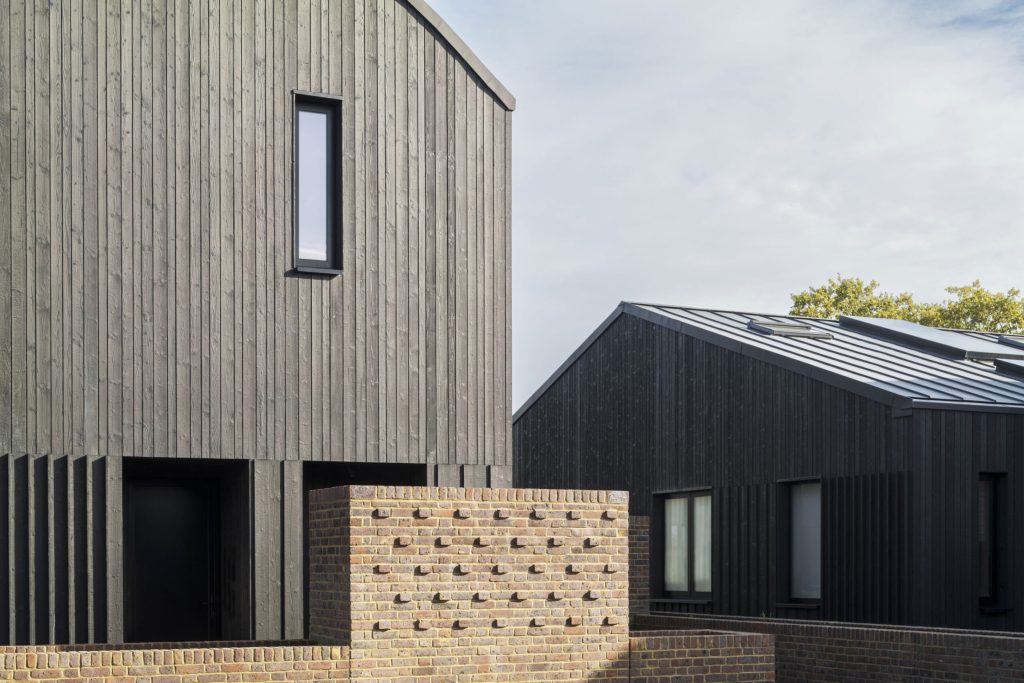
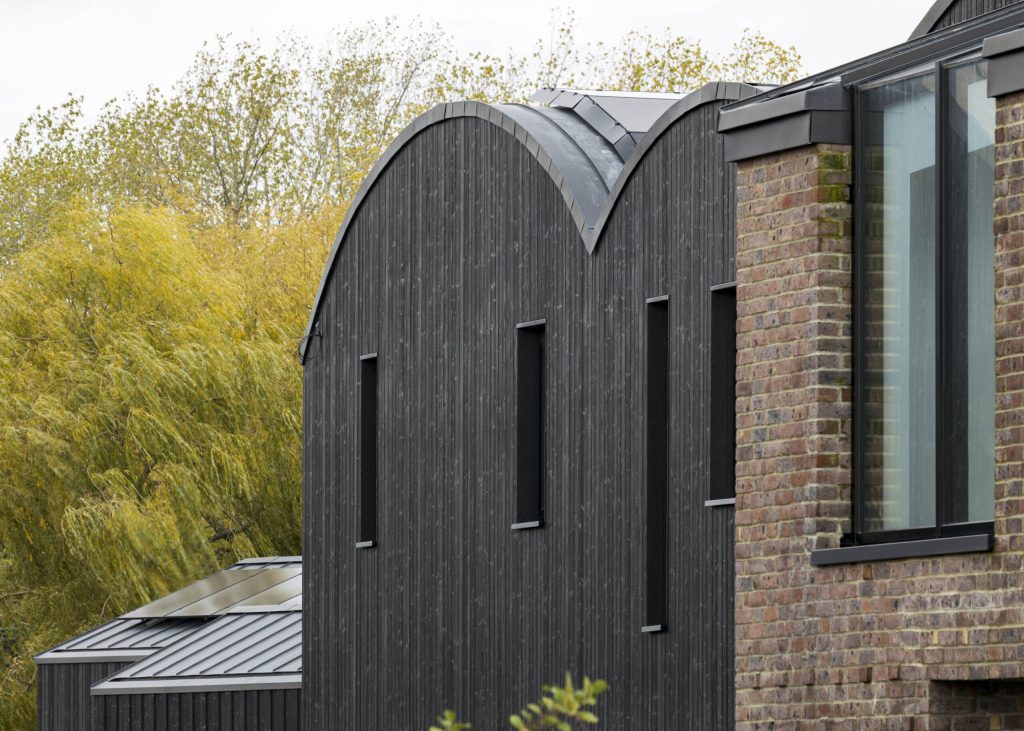
The project retained the architectural essence of the original barns while optimising their internal layout for daylight, comfort, and energy performance. Vaulted ceilings, large glazed areas, and open-plan spaces were all enabled by the inherent flexibility of the SIPS system.
The use of PEFC-certified timber, non-toxic materials, and breathable natural finishes enhanced indoor air quality and occupant wellbeing. The exceptional acoustic and thermal performance of the panels ensured year-round comfort with minimal heating or cooling demand.
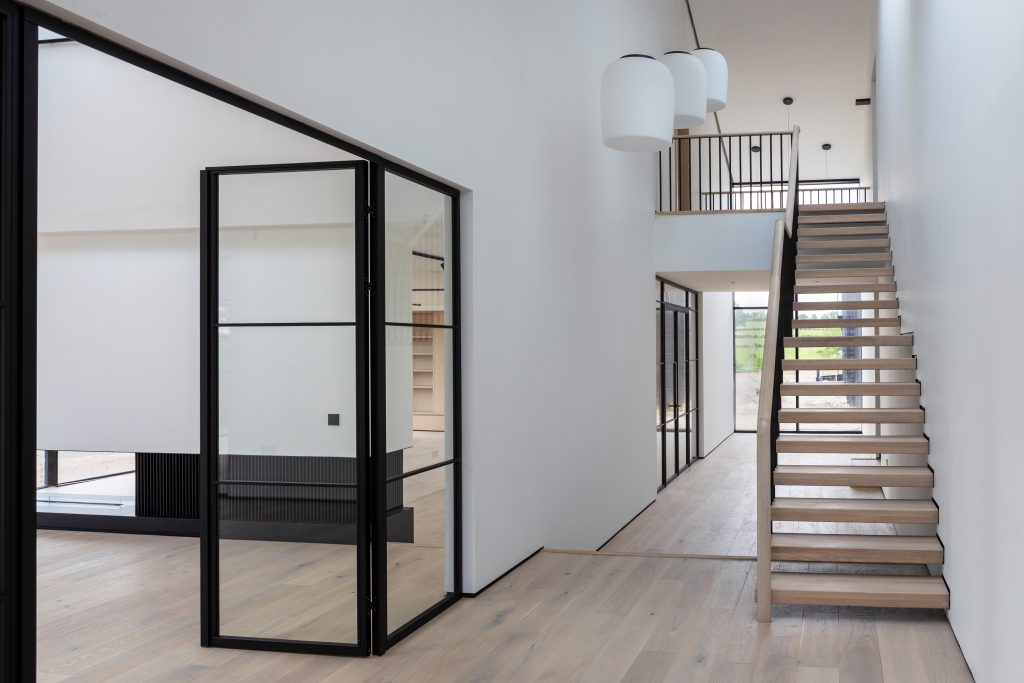
Despite the project’s rural location, Hartdene Barns benefited from the speed and efficiency of offsite manufacturing. The SIPs were delivered to site ready for immediate installation, reducing the construction programme and weather-related delays.
A collaborative early-stage process between SIPS Eco Panels, Q New Homes, and Nissen Richards Studio ensured the project ran on schedule and within budget, offering a consistent and low-risk delivery pathway.
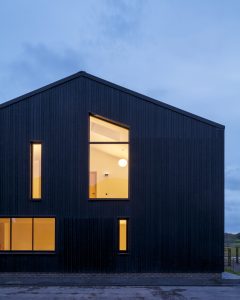
Sustainability was embedded in every decision on this project:
Compared to traditional masonry construction, the SIPS system reduced embodied carbon by 40%, while offering superior building performance, faster delivery, and enhanced quality.
Looking back at the project as a whole, Q New Homes highlighted the importance of working with aligned partners who share their commitment to better building: “Choosing SIPS Eco was about more than just product performance. It was about working with a company that genuinely shares our ethos. A company which is focused on building better, more responsible homes for the future.”
 Conclusion
Hartdene Barns is more than a beautiful conversion—it’s a vision for the future of sustainable housing in the UK. Through the innovative use of SIPS Eco Panels and a fully collaborative design-build process, this project proves how heritage and high-performance can coexist. It delivers not only energy efficiency and carbon reduction but also long-term value, comfort, and design integrity.


